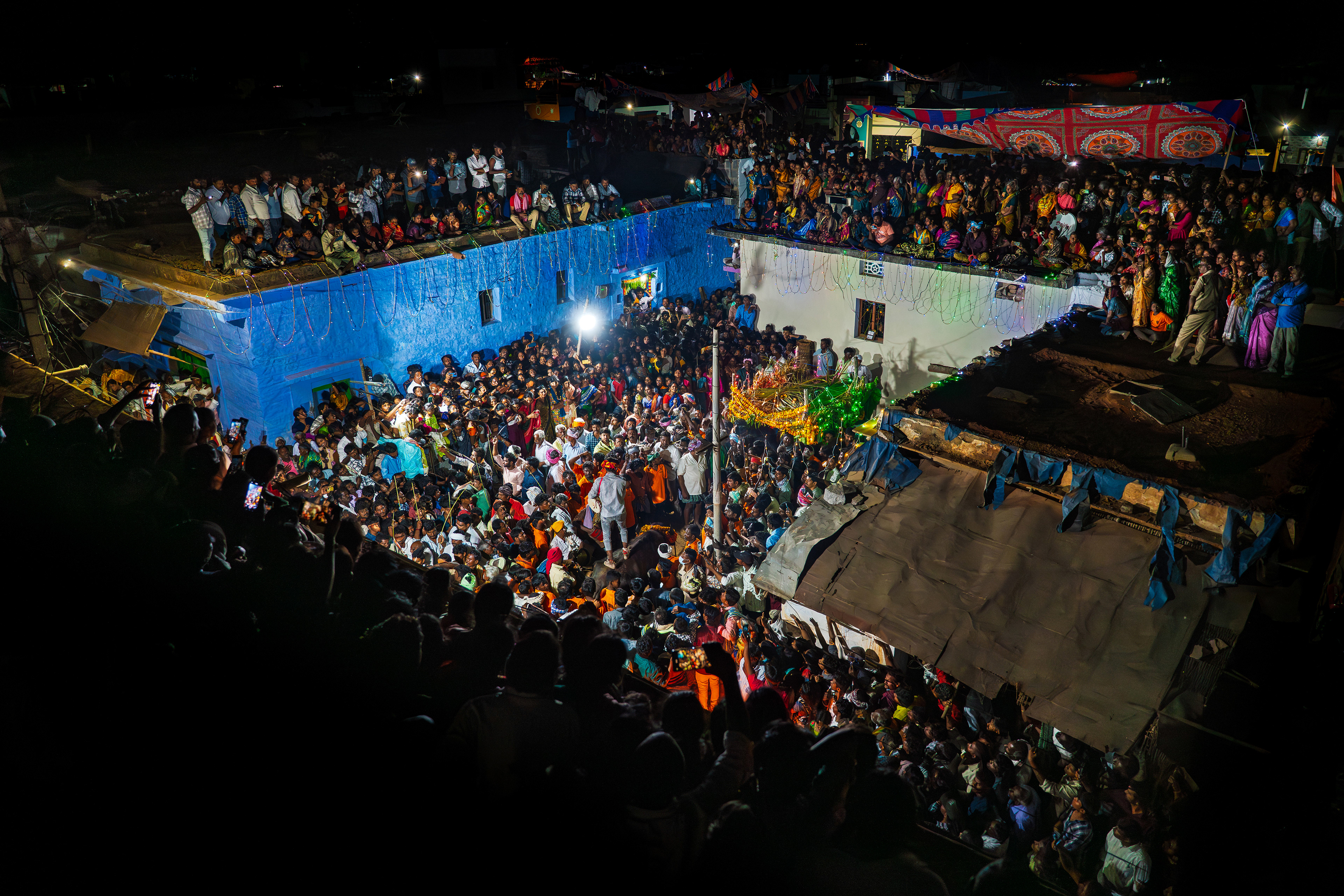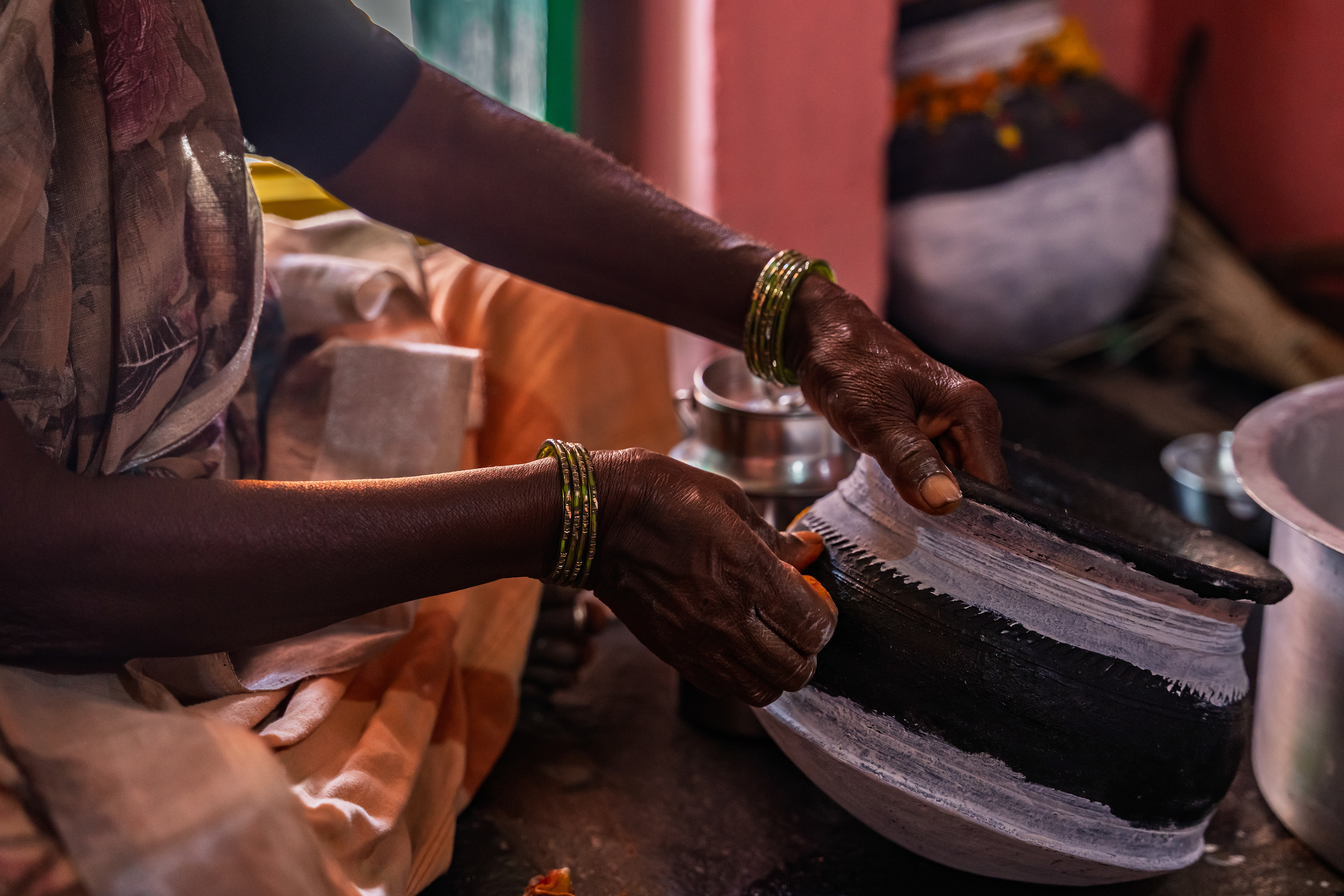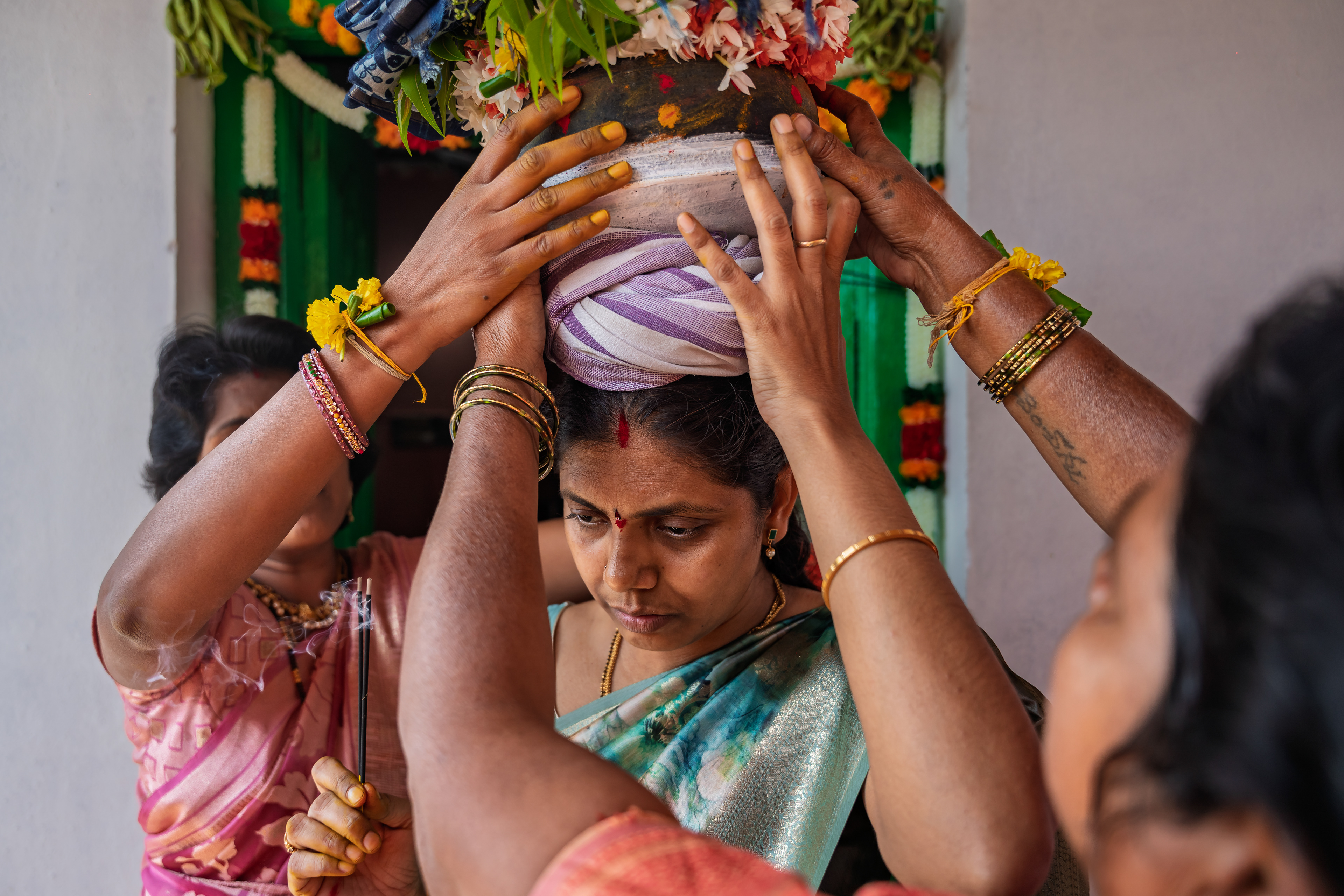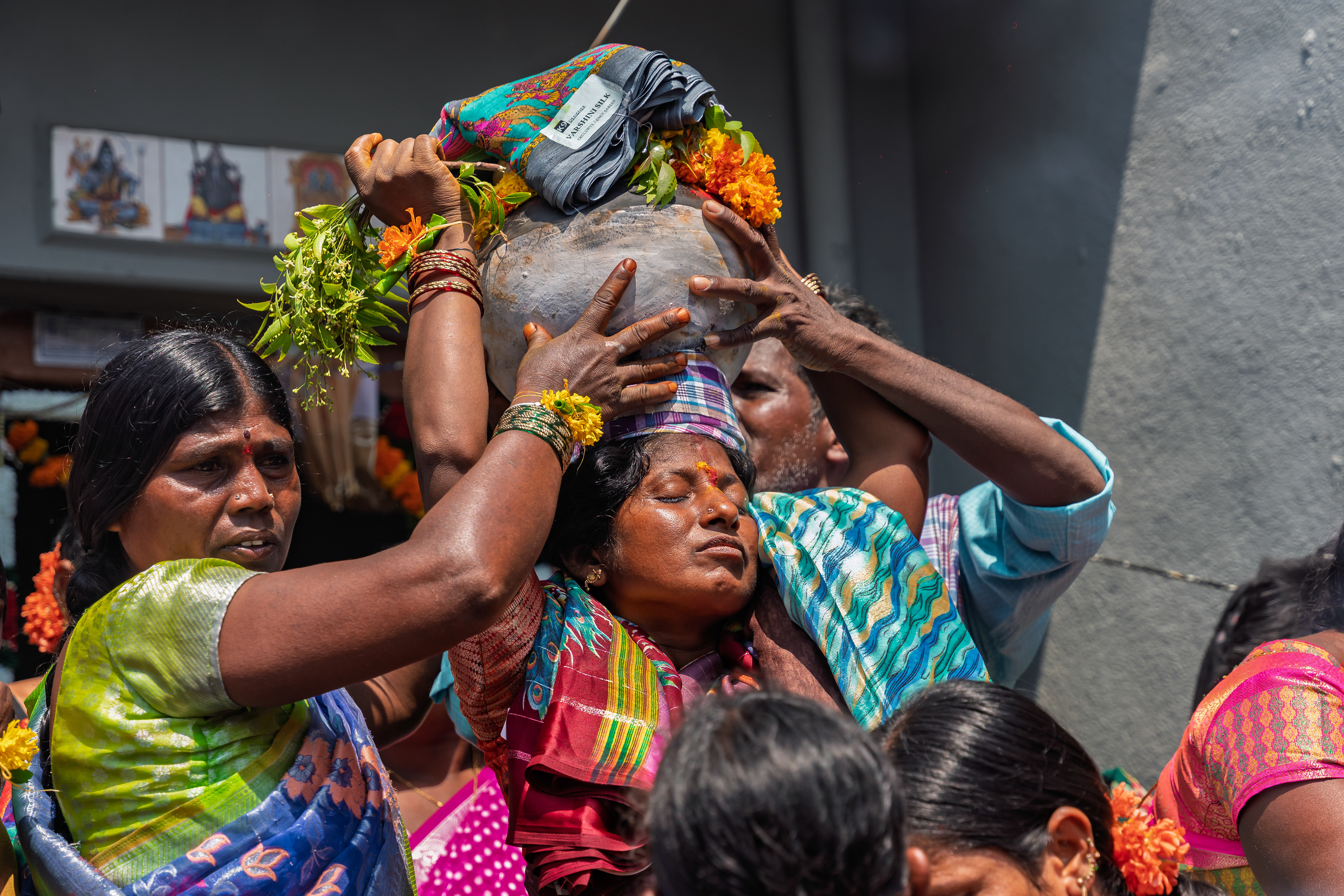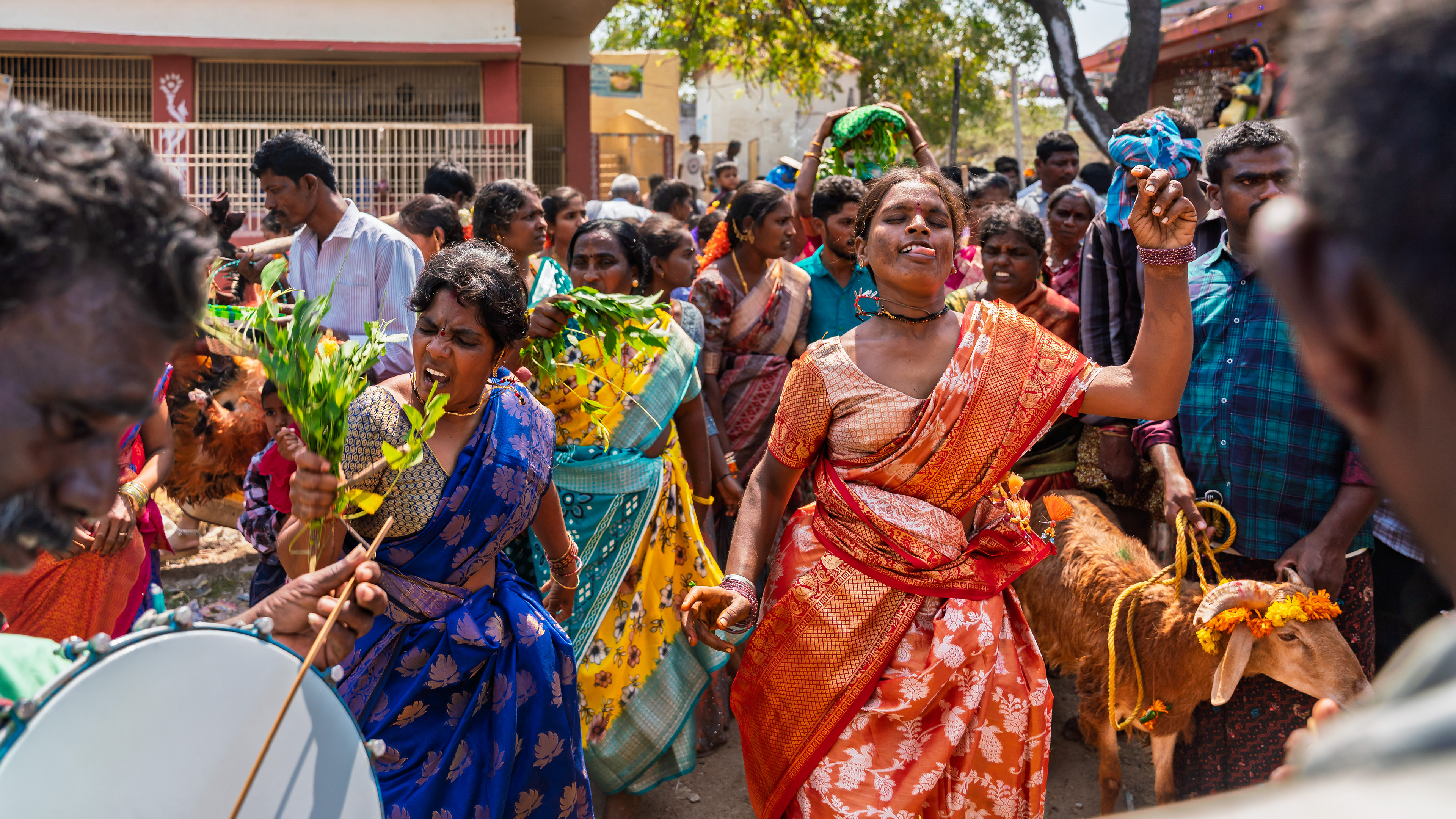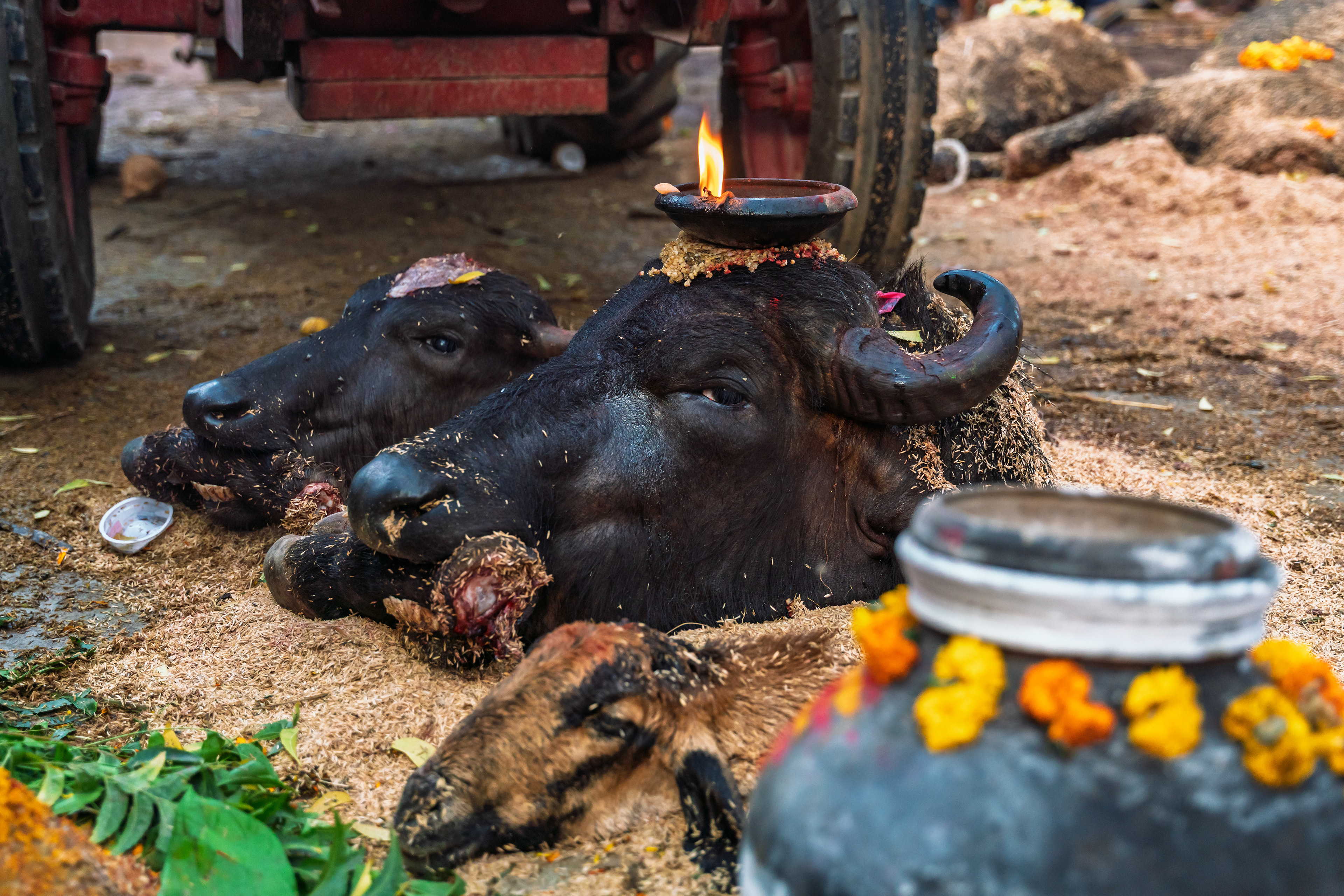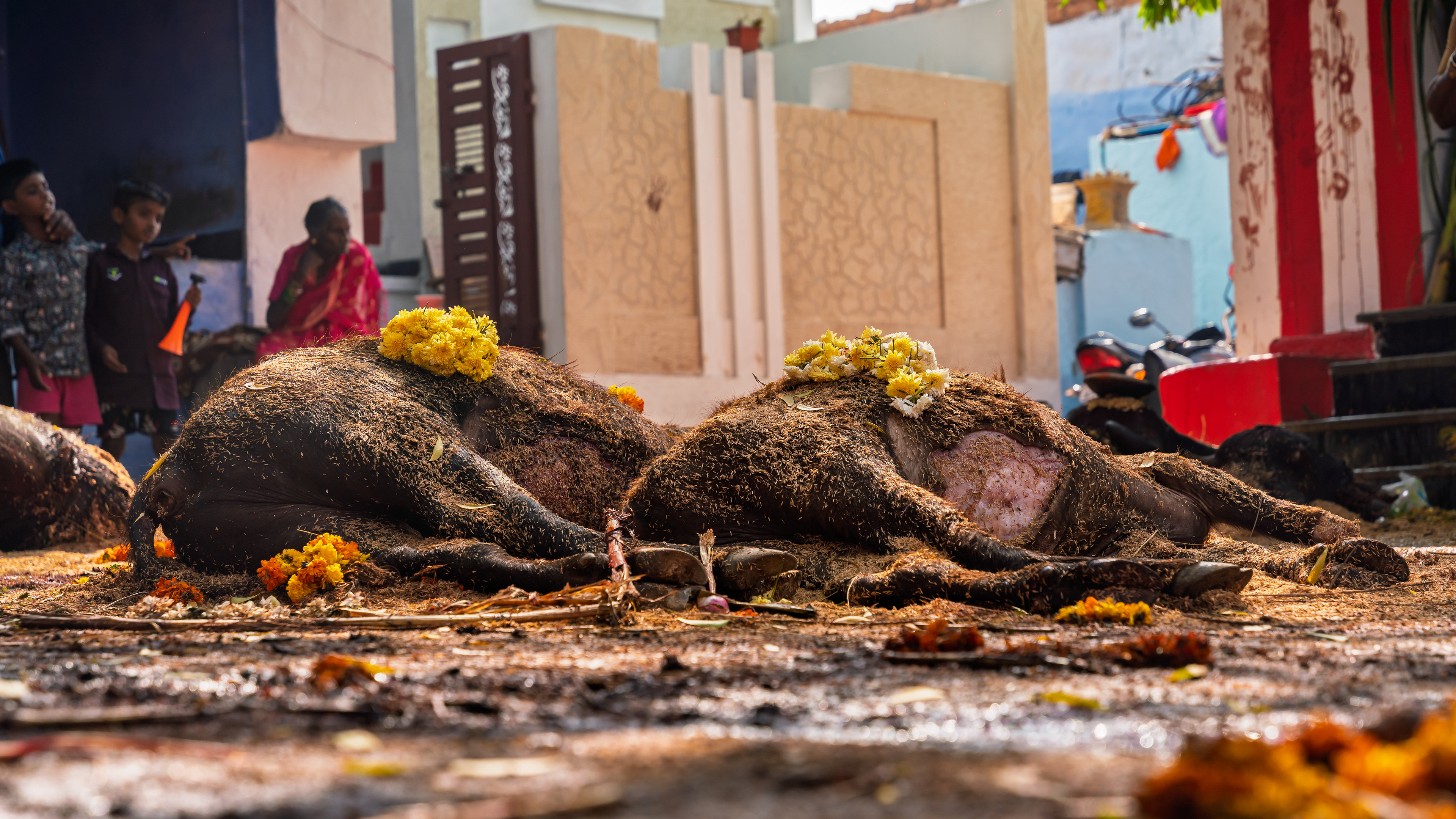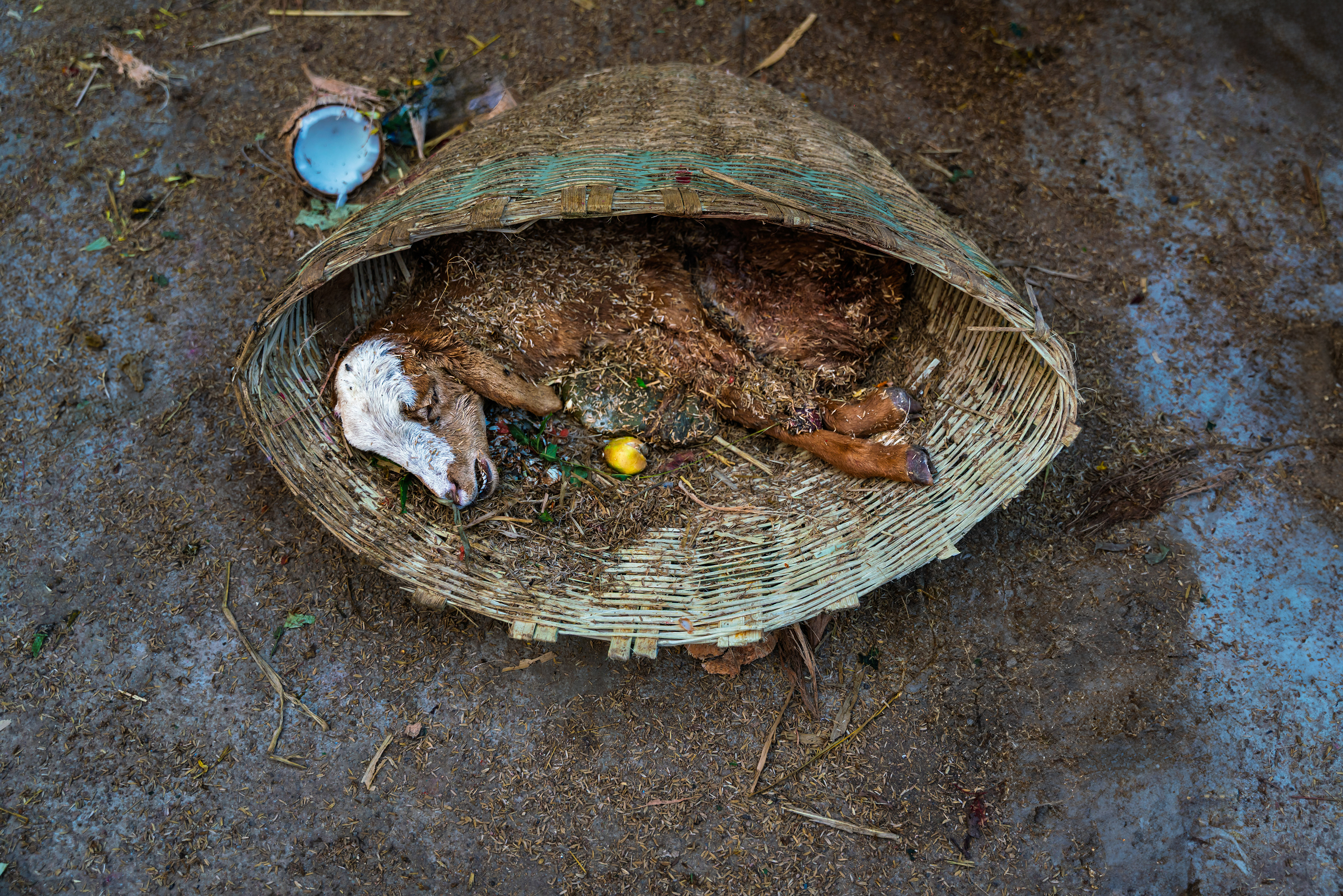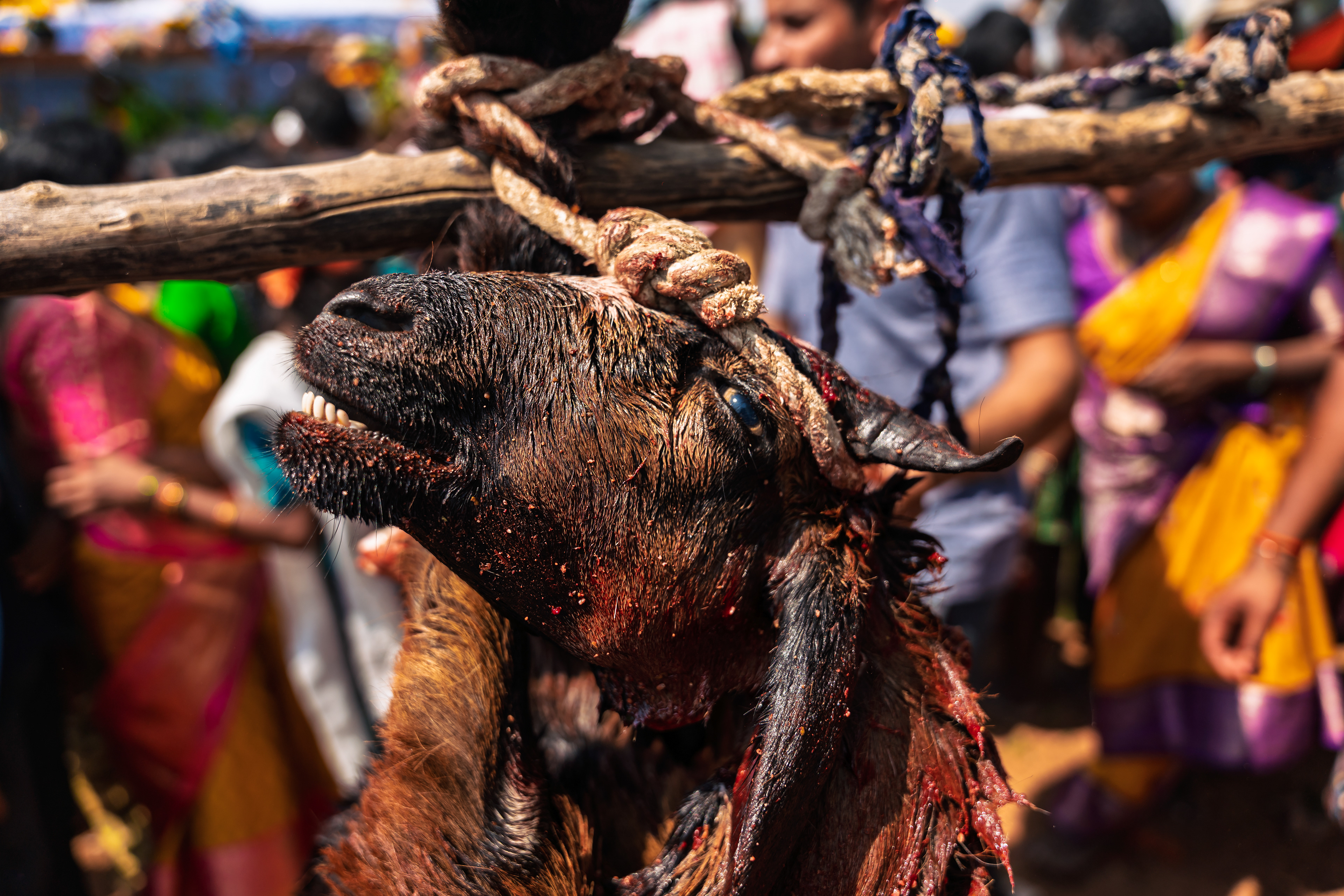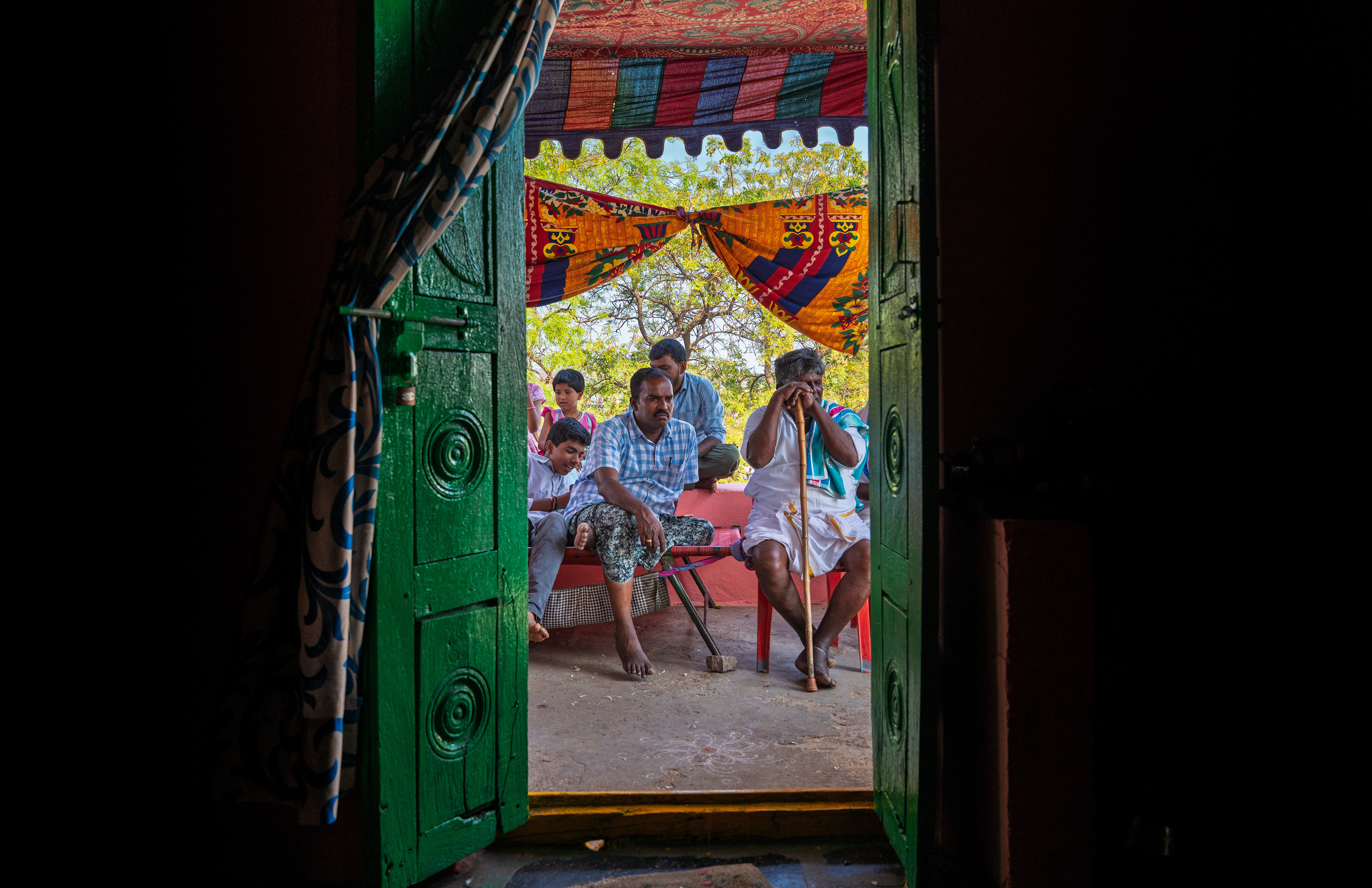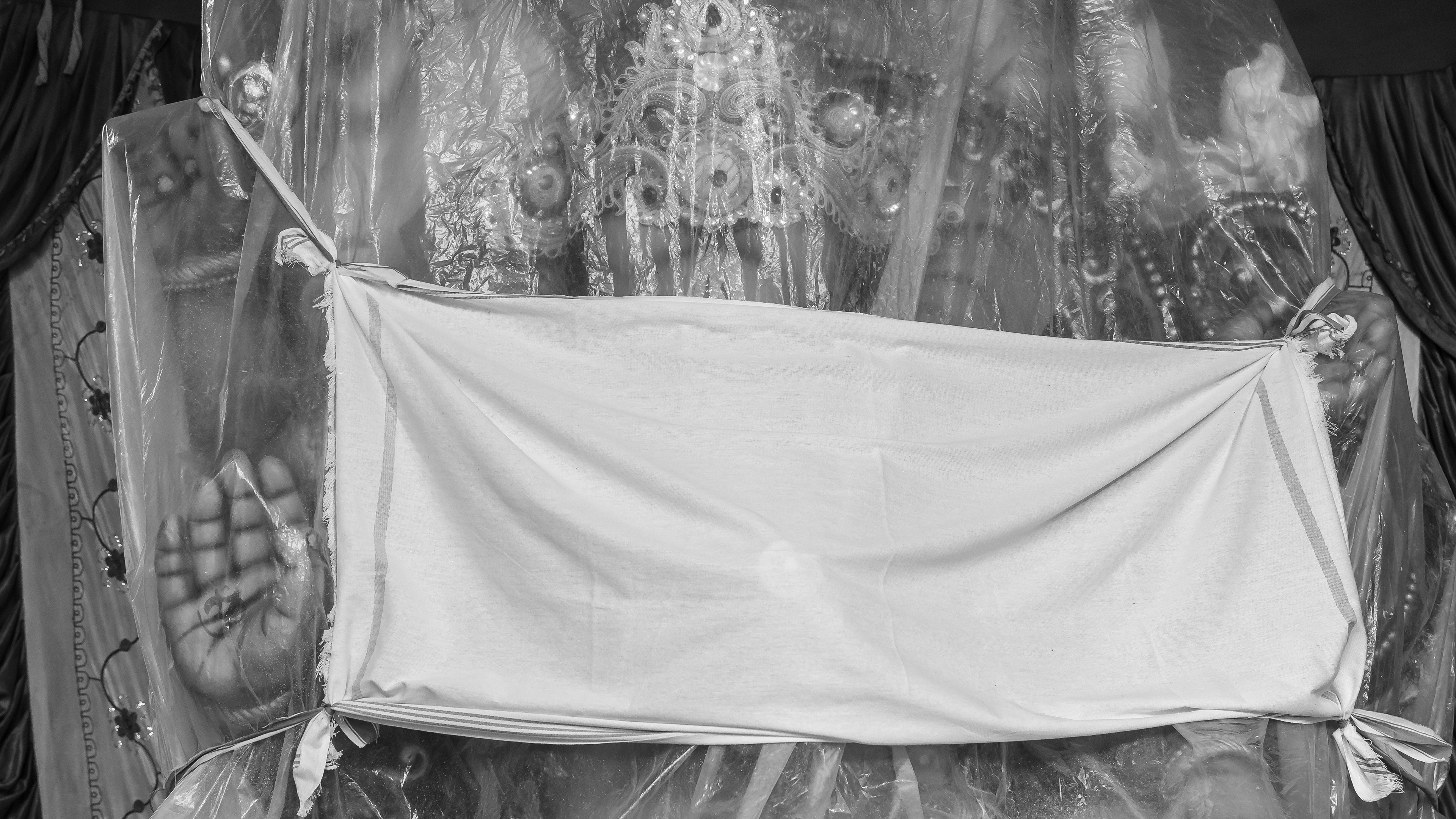
Devara, is a unique cultural festival in which, for one night every thirty years, a village seals its perimeters to perform a series of sacrificial rituals for four goddesses. As a naked man surrounds the perimeters and the offerings are made, the villagers believe that their survival depends on keeping outsiders away and sealing their fate in the ritual that promises protection for the next three decades.
Content Advisory: This series contains nudity and ritual animal sacrifice, which are central to the authenticity of the documentation.
COMPLETE STORY:
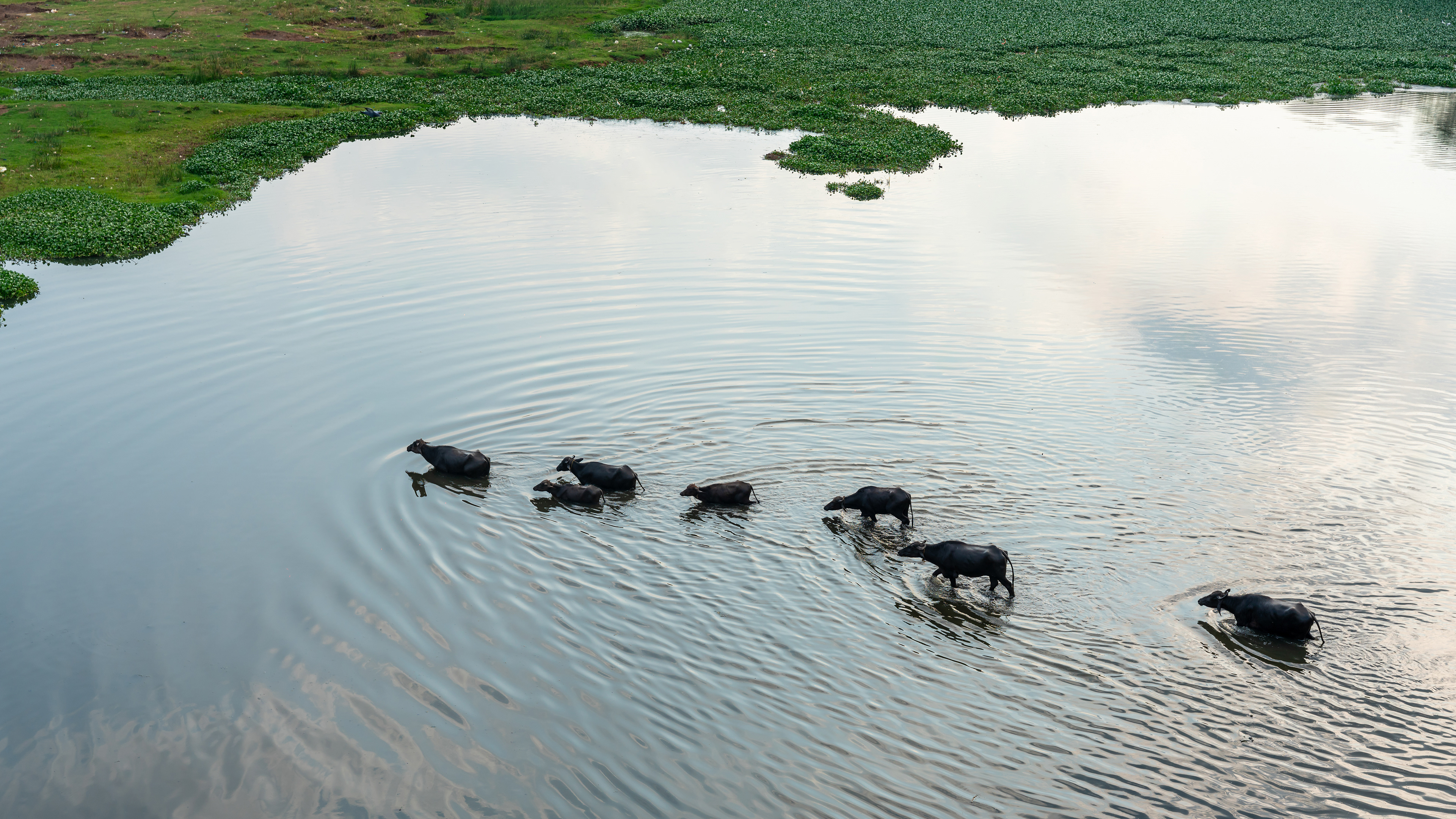
Six buffaloes that were tied their entire lives are suddenly set free. Nobody dares to stop them from gazing around or doing whatever they want. Their freedom begins the 30 day countdown for the Devara, an intense festival that happens once every 30 years in a remote village of Andhra Pradesh.
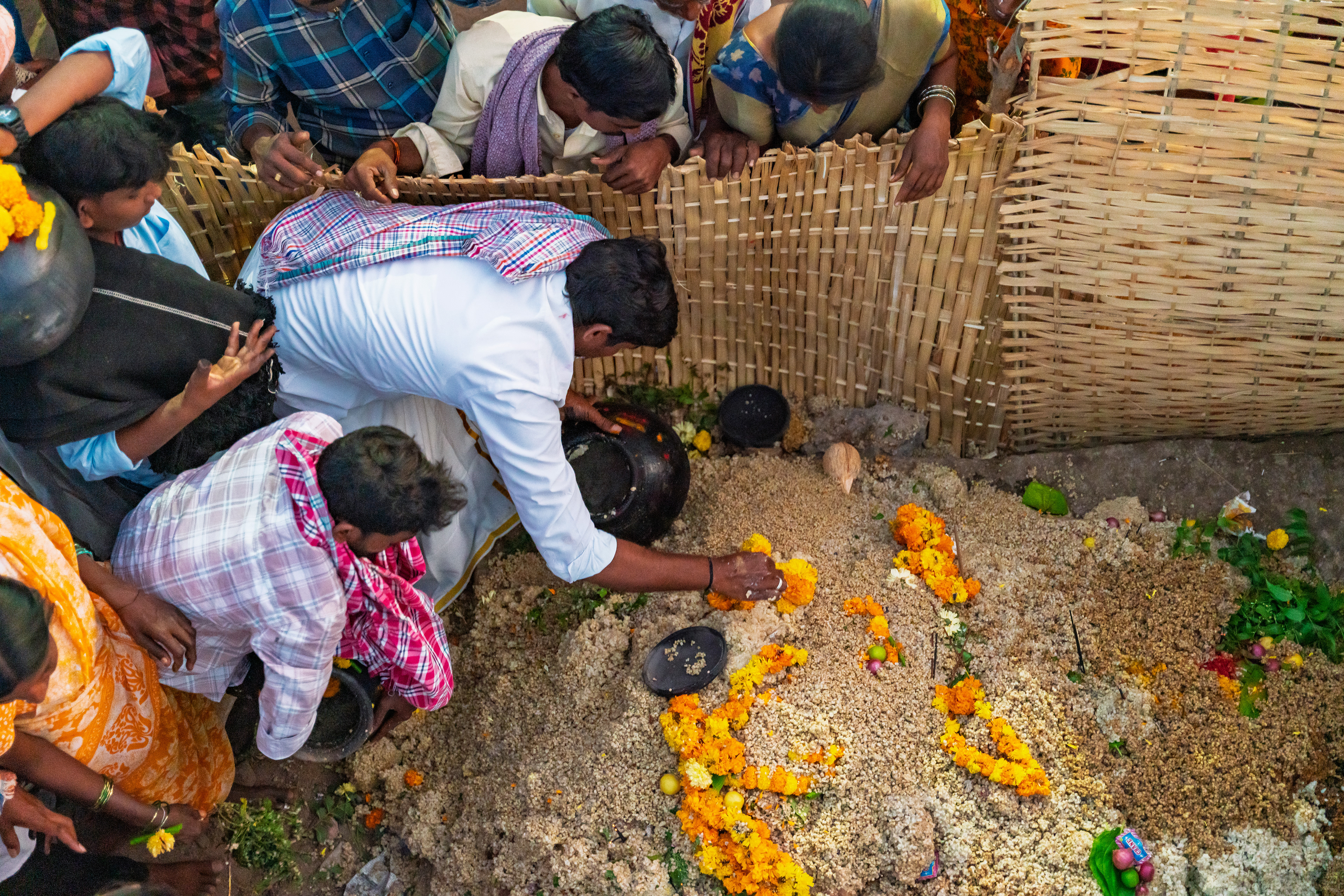
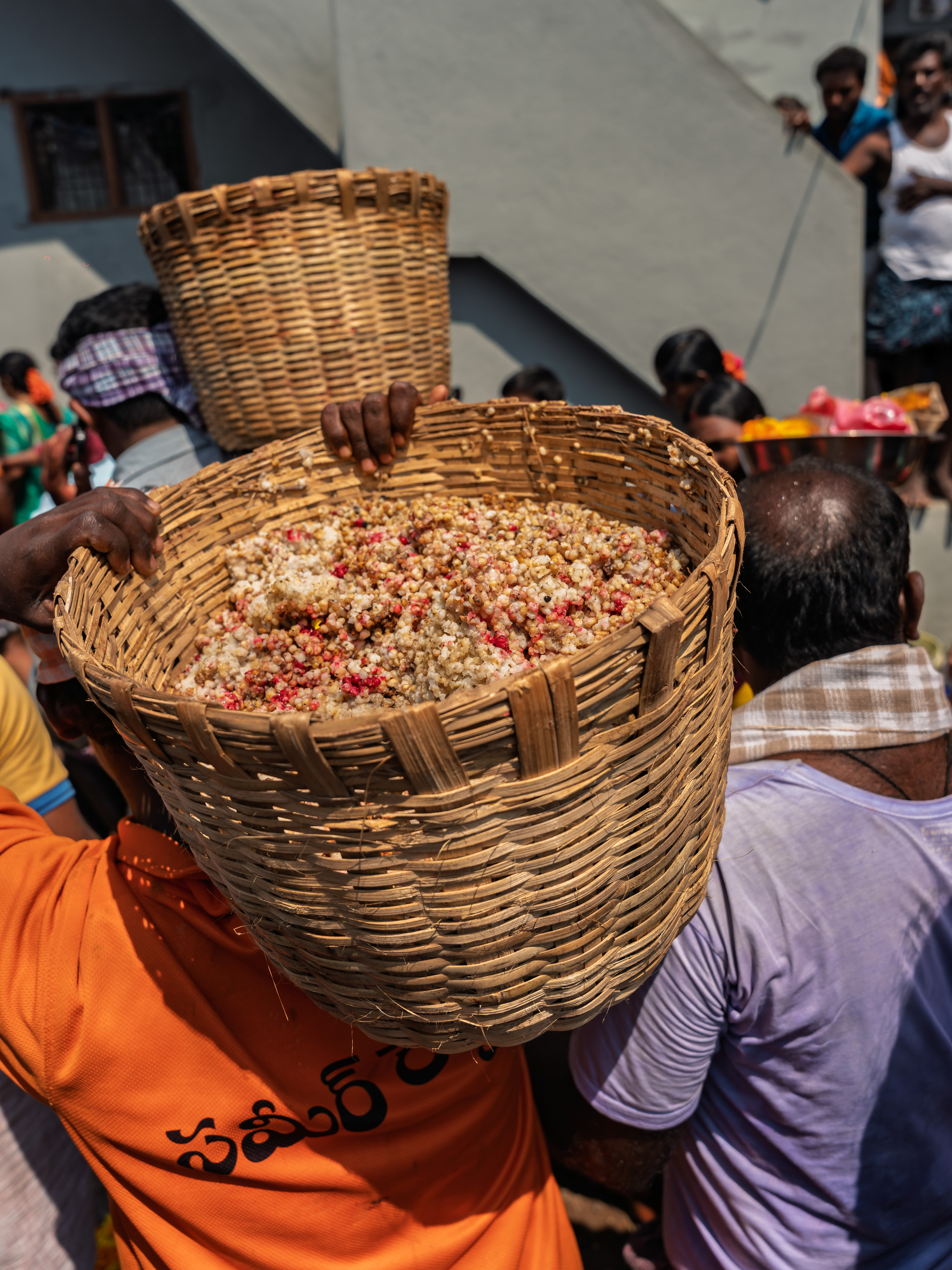
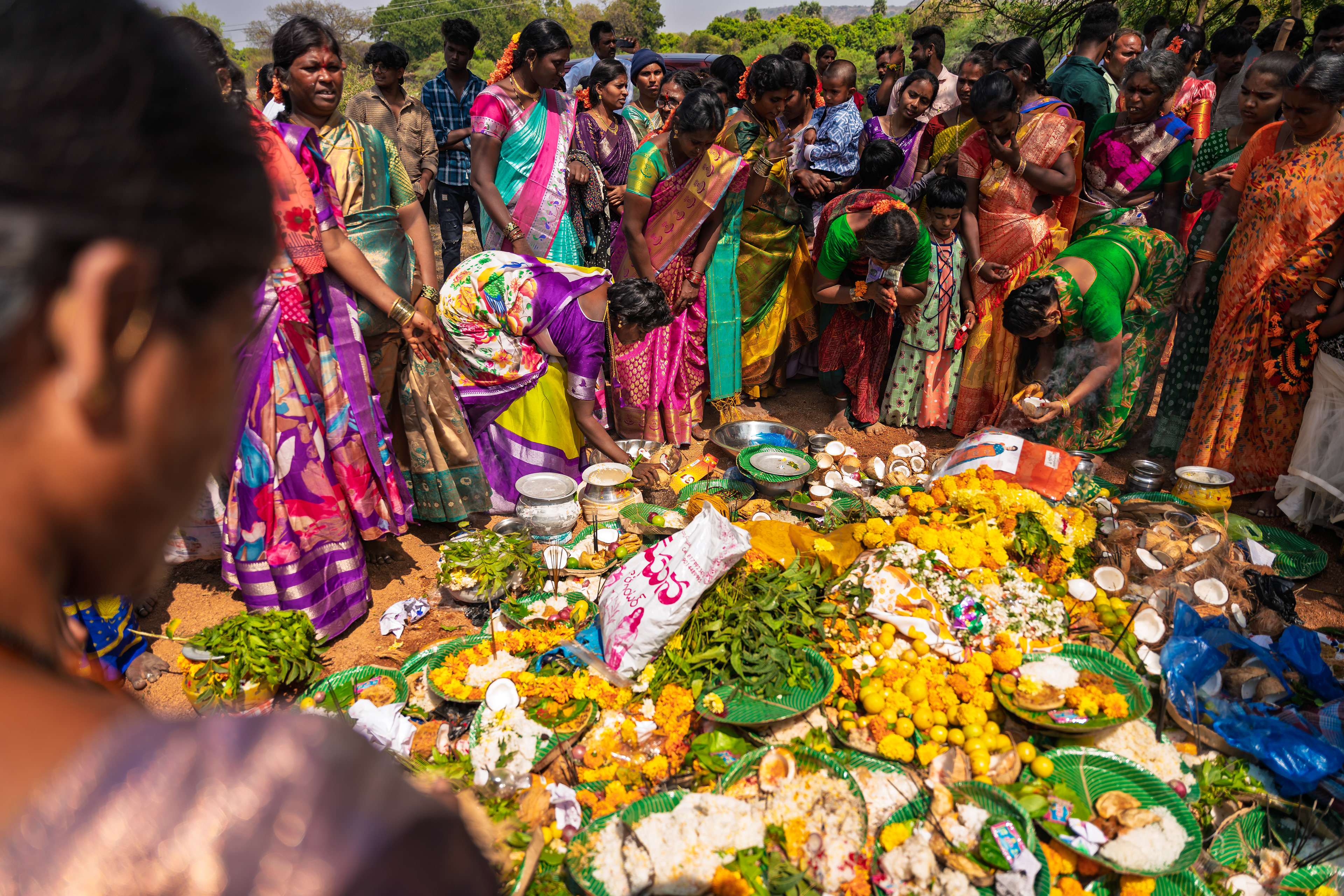
The evening before the actual event Devara, villagers take bonam that contains Jonna Buvva, a dish made of sorghum and place them in each corner of the village.
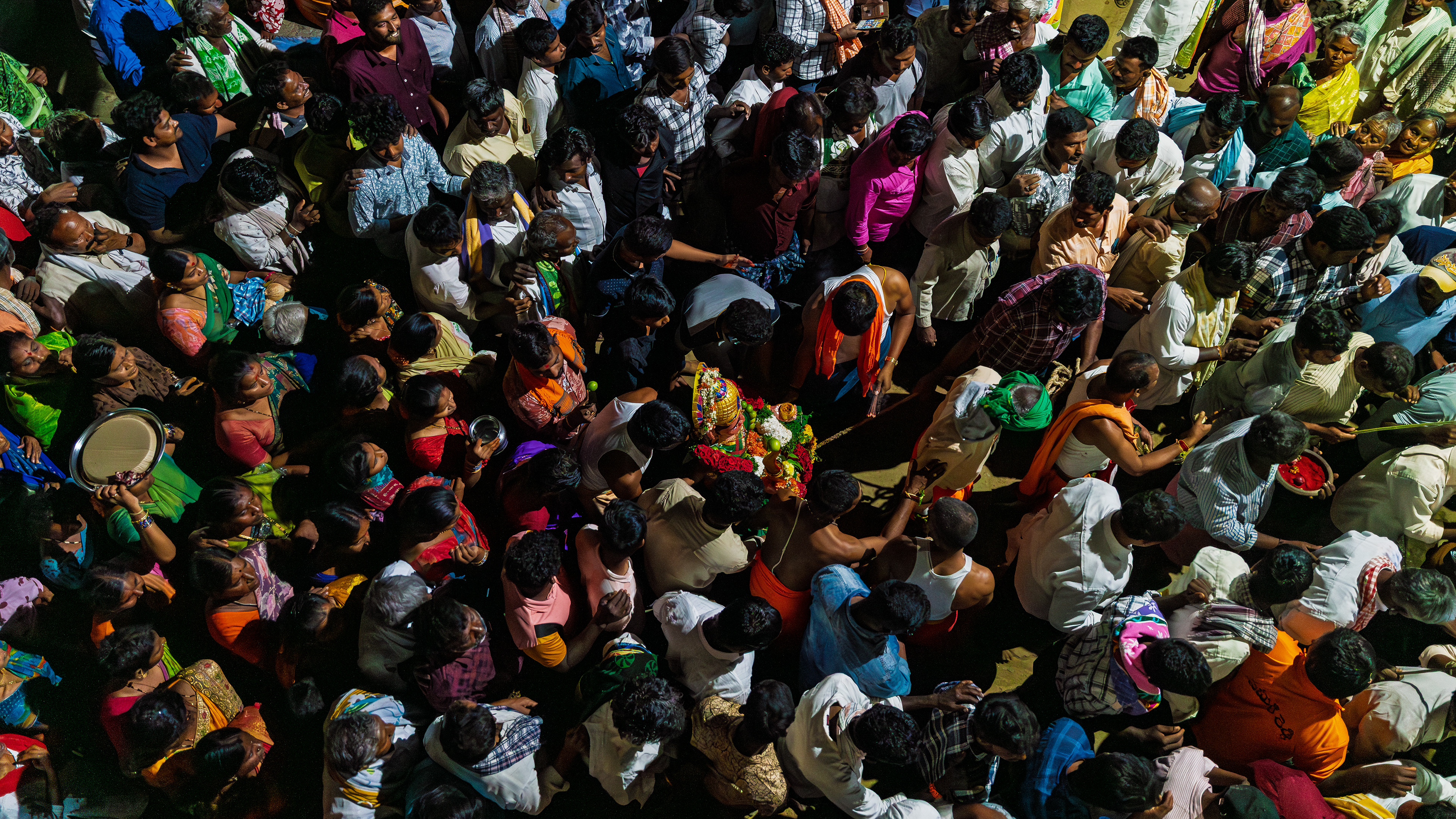
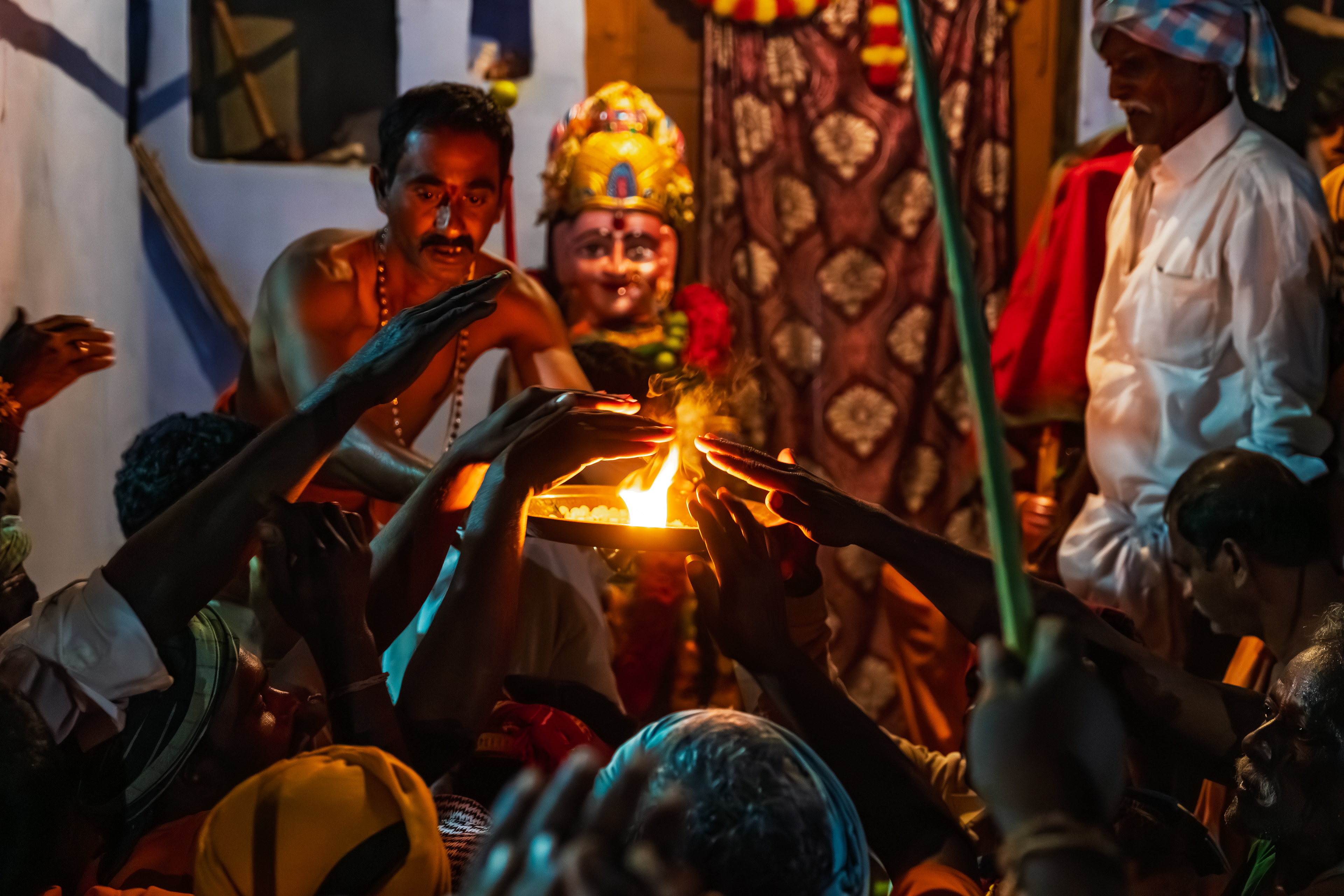
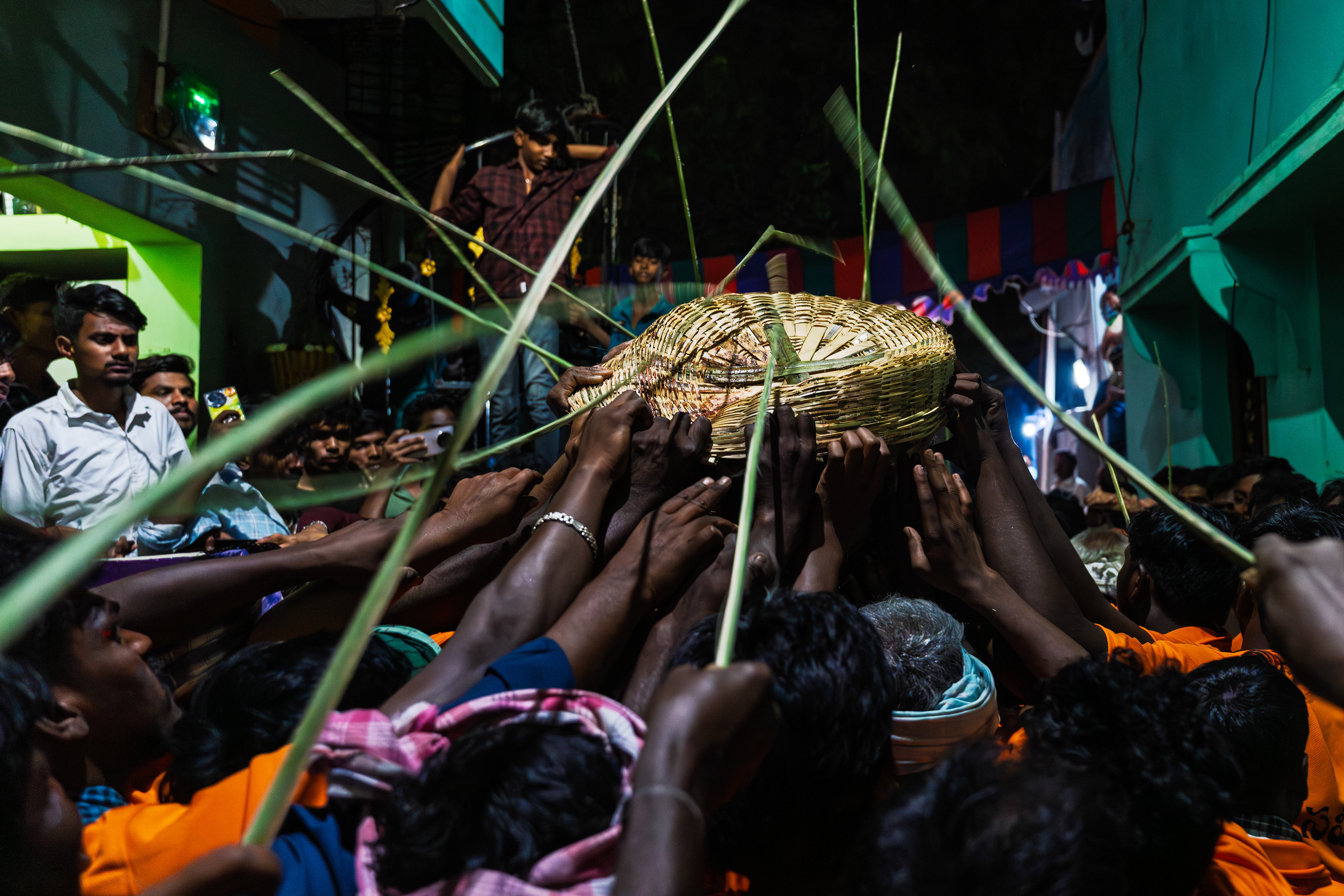
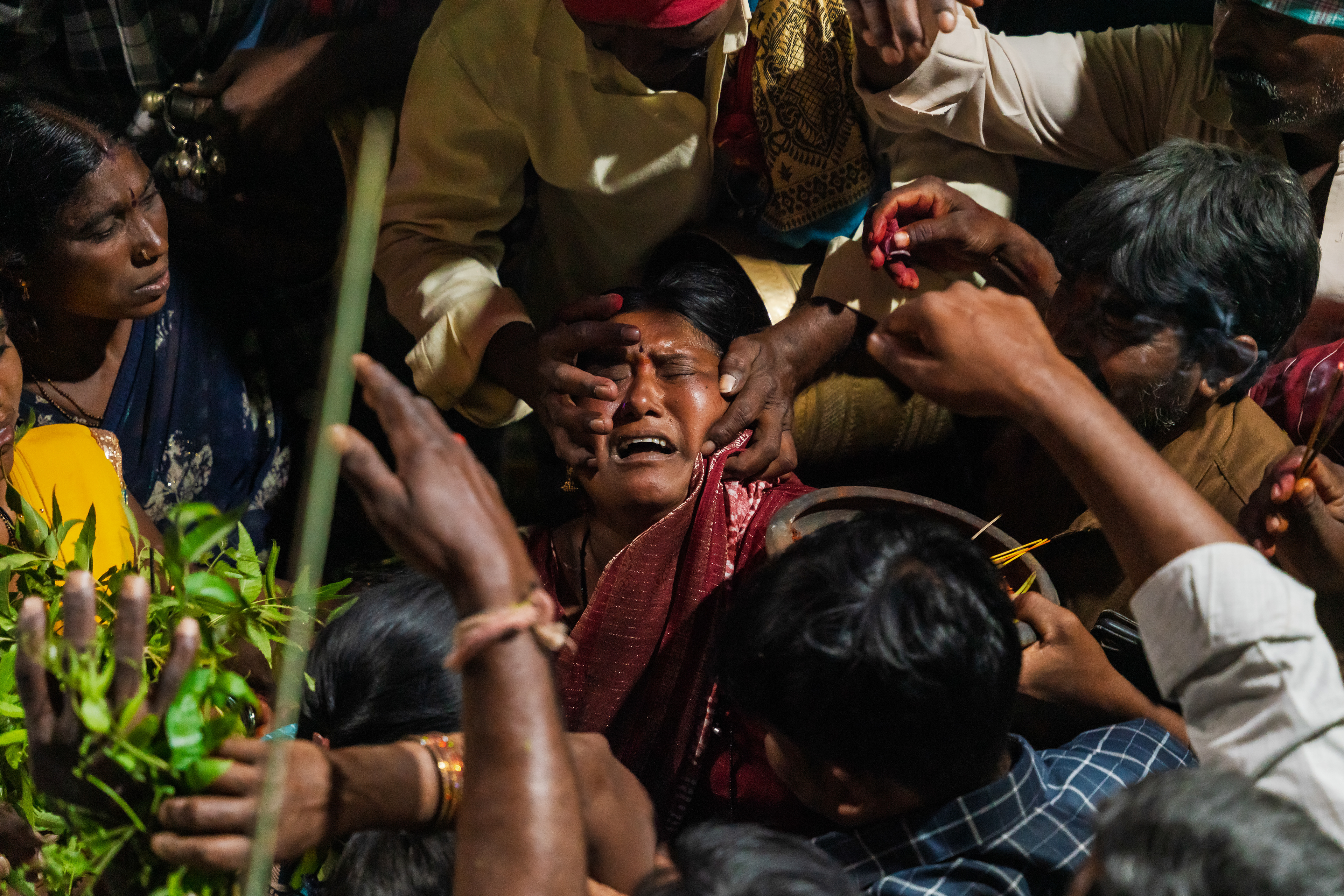
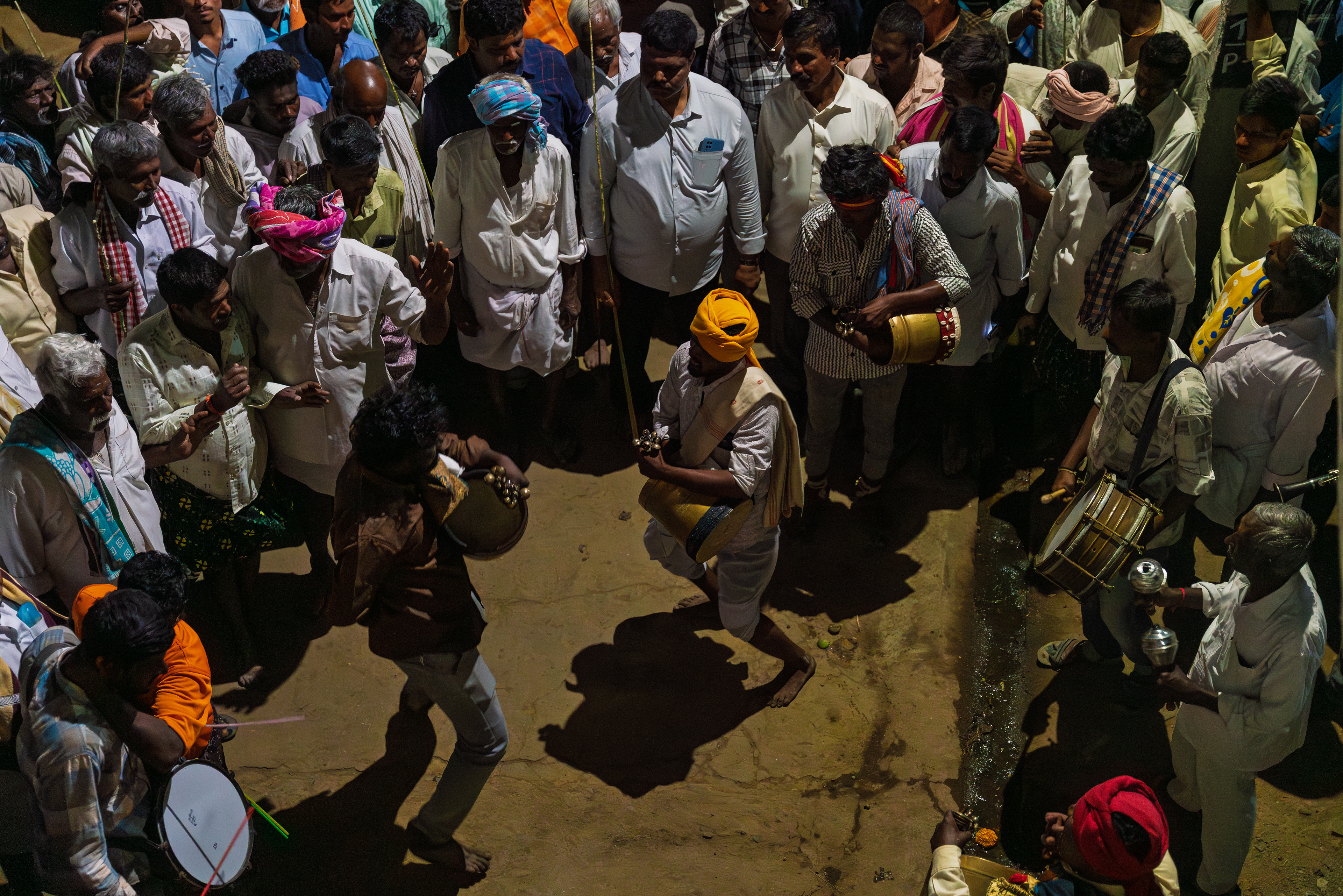
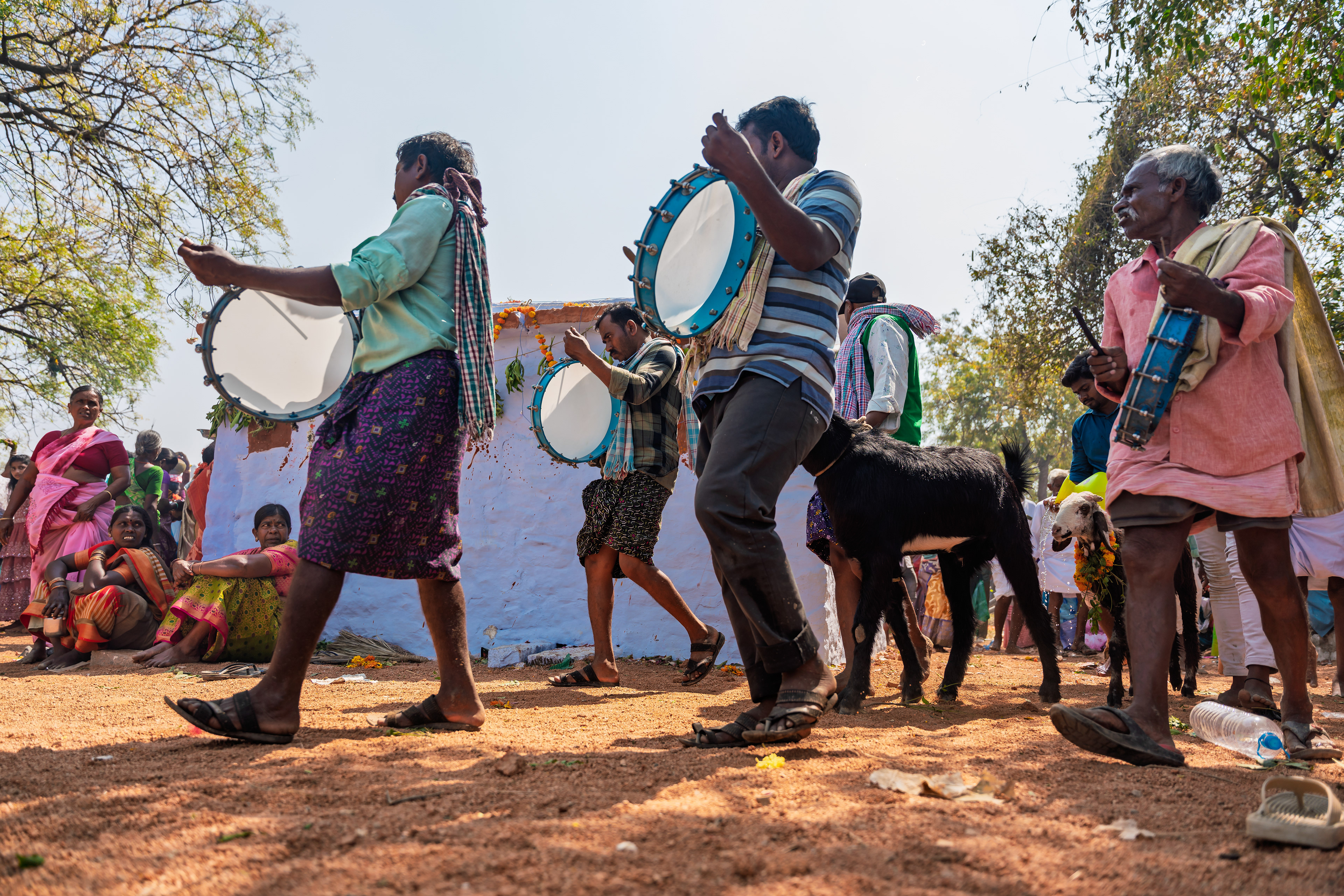
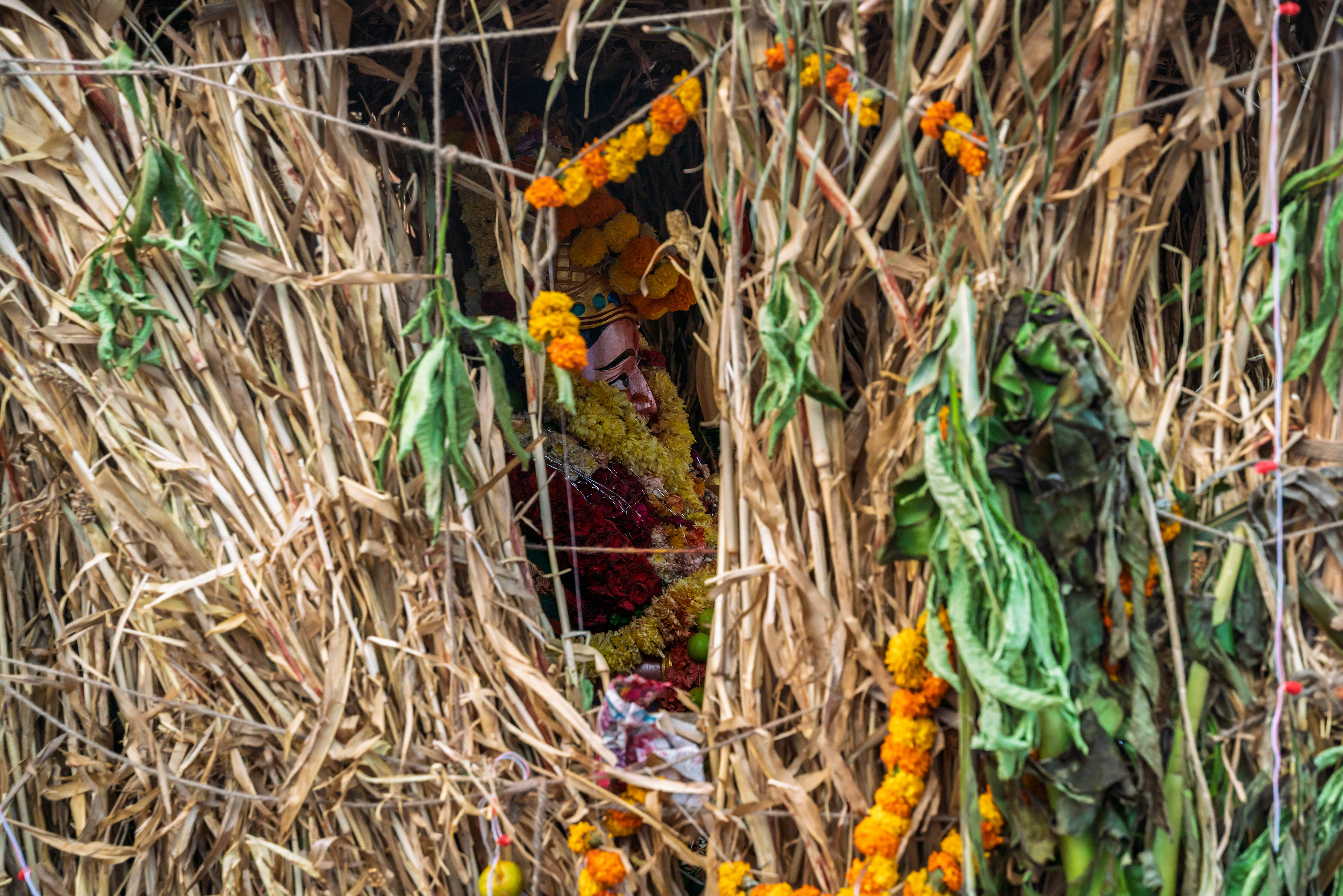
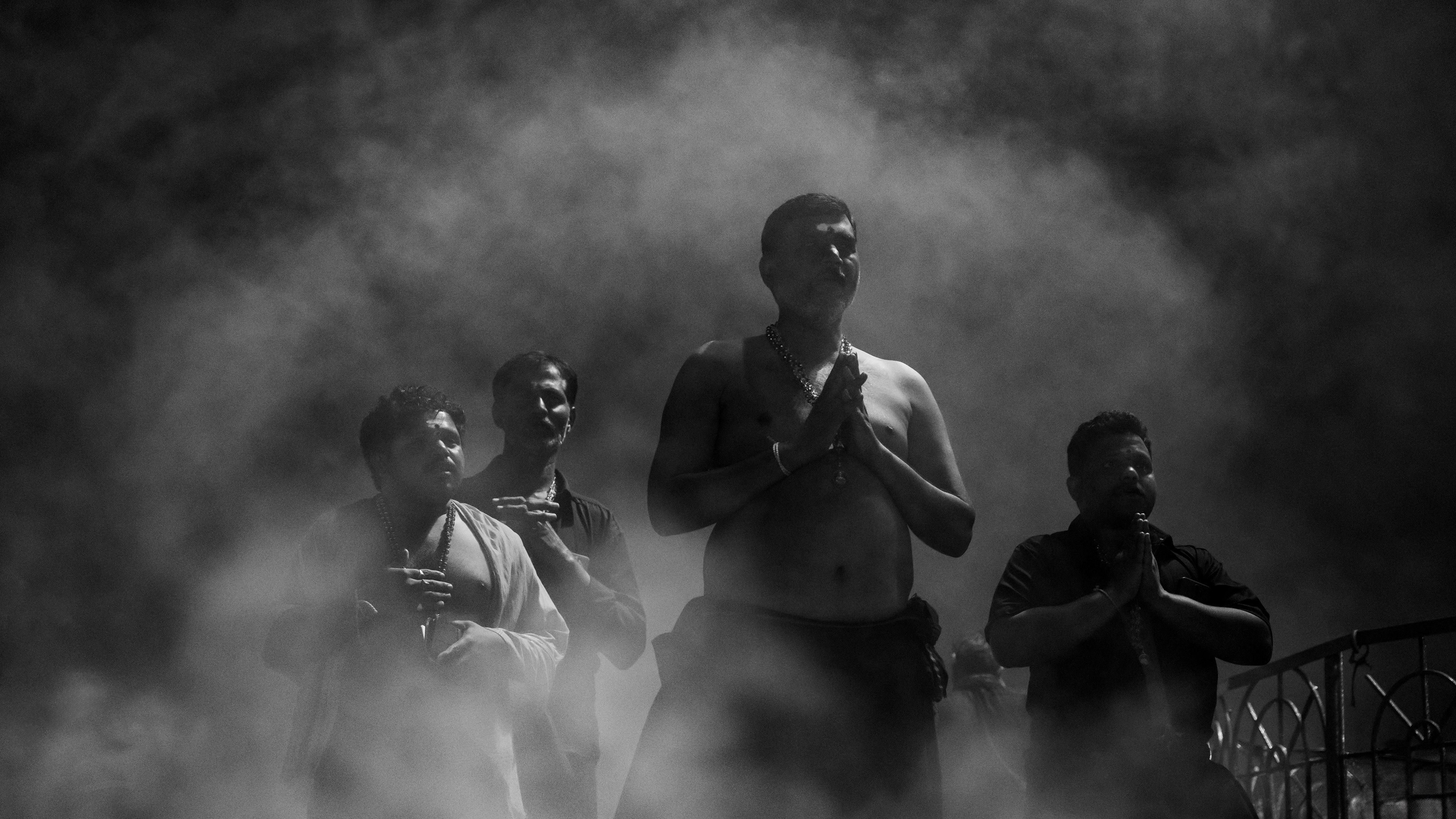
The goddess Maaremma dwells in a small shrine a few kilometres outside the village. She is brought into the village for a procession and is placed in the village. The villagers bring garlands, ghatam - pot full of palm wine, and tie a sacrificial lamb as the offerings. This lamb is sacrificed later in the evening and is then carried in a basket to the goddess Pedamma's shrine. The villagers carry sticks made of wild date palm branches, to ward off any evil and protect the sacrifice. During this process one of the villagers might get possessed by any of the 4 goddesses. In such cases, that person is taken to their desired shrine and is offered cool showers and kumkum.
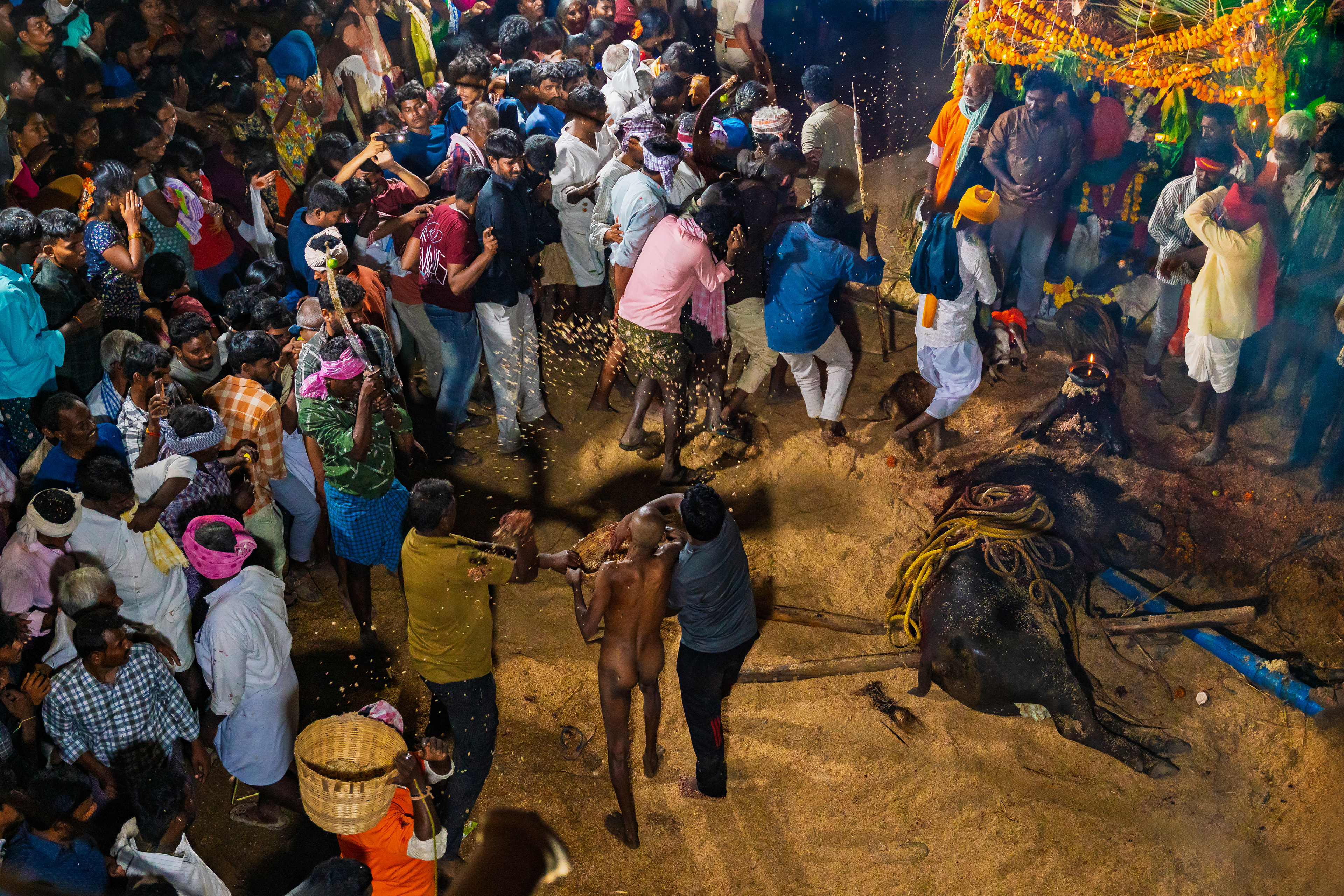
After Maaremma’s placement, Boothu Pilli, a man chosen by pre-determined village customs, is put on a sacred diet for over the past month. The evening before the event, this man is given a deep cleansing and a shave to make sure no hair exists on his entire skin. Boothu Pilli, now covered with neem leaves around his privates, walks around the village perimeter carrying the “Jonna Buvva”- the sorghum dish accompanied by a group of villagers carrying sacrificial lambs. While he walks around, anywhere this man feels even an ounce of negativity, he stops and slices the stomach of a lamb and places it alongside the sacrifice. Upon reaching Peddhamma goddess's temple in the middle of the village, after his sacrificial walk, he is given a cloth to cover himself and is kept safely in a nearby house. By this time it's alright past midnight and the main ritual starts now.
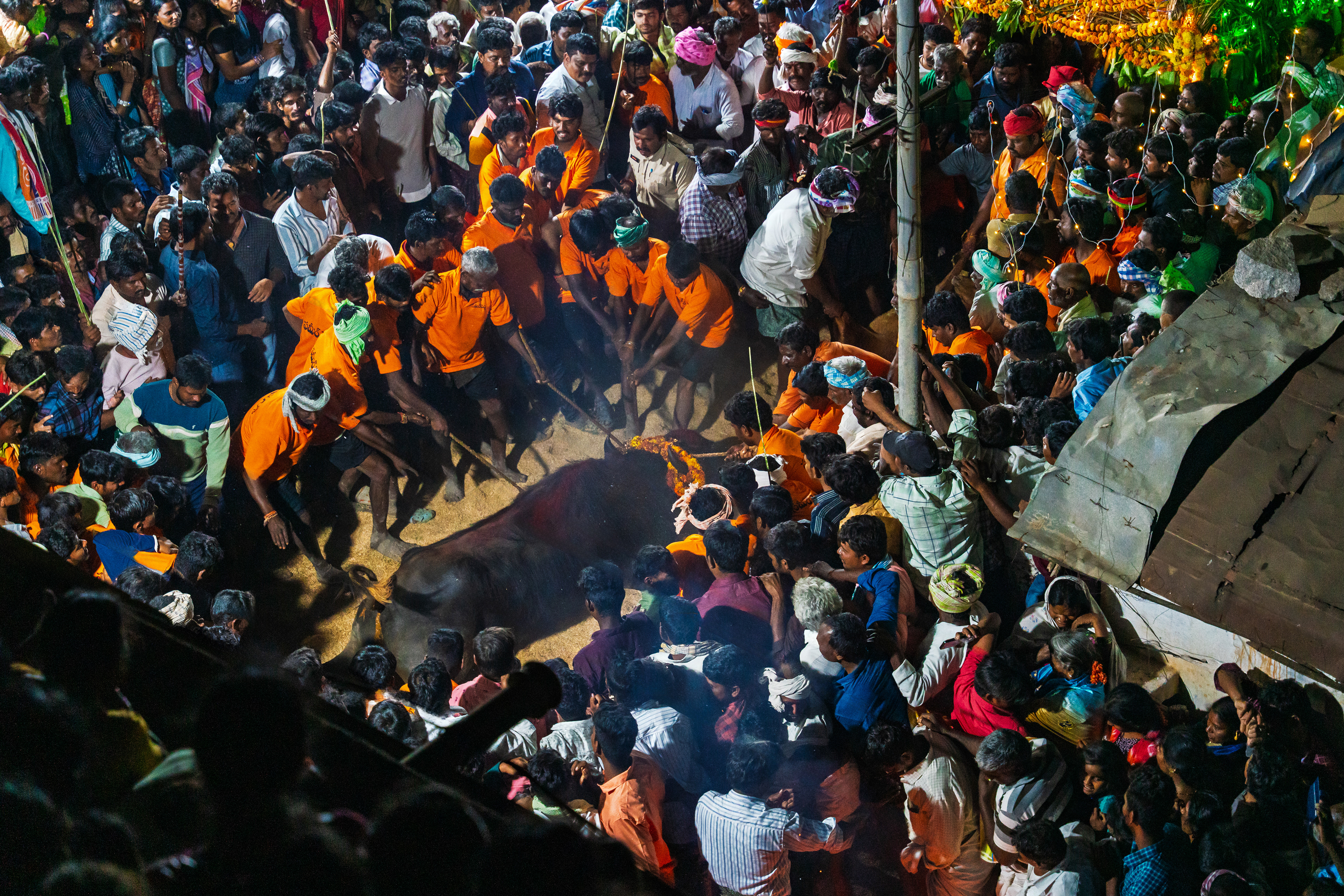
One of the buffaloes that was granted freedom a month ago is now taken for procession around the village and is brought to the Peddhamma temple. The ritual begins in the presence of the buffalo and by the time it's completed, a lamb is brought to the goddess and is sacrificed as an offering. Now the buffalo is brought near the goddess by a group of youngsters.
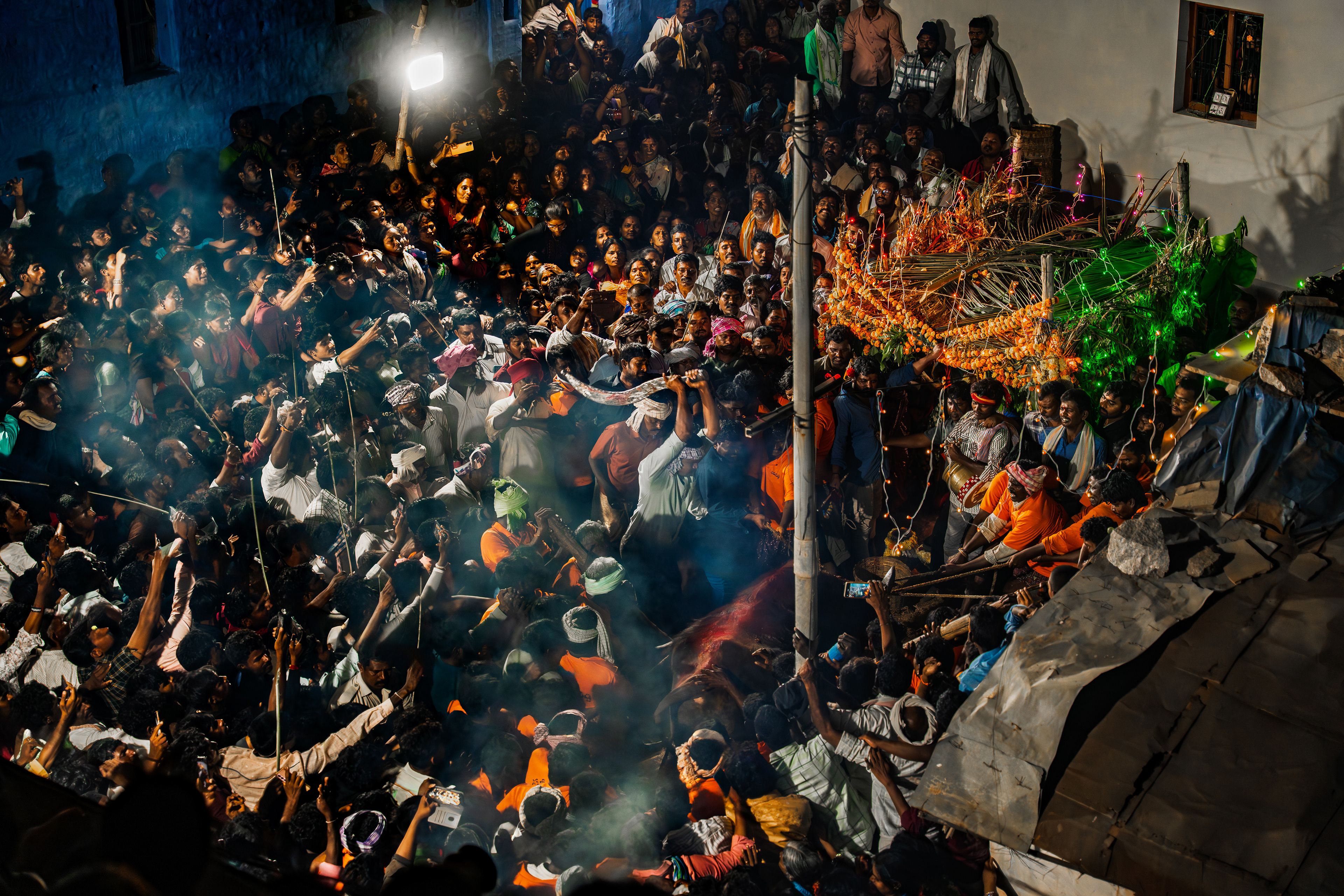
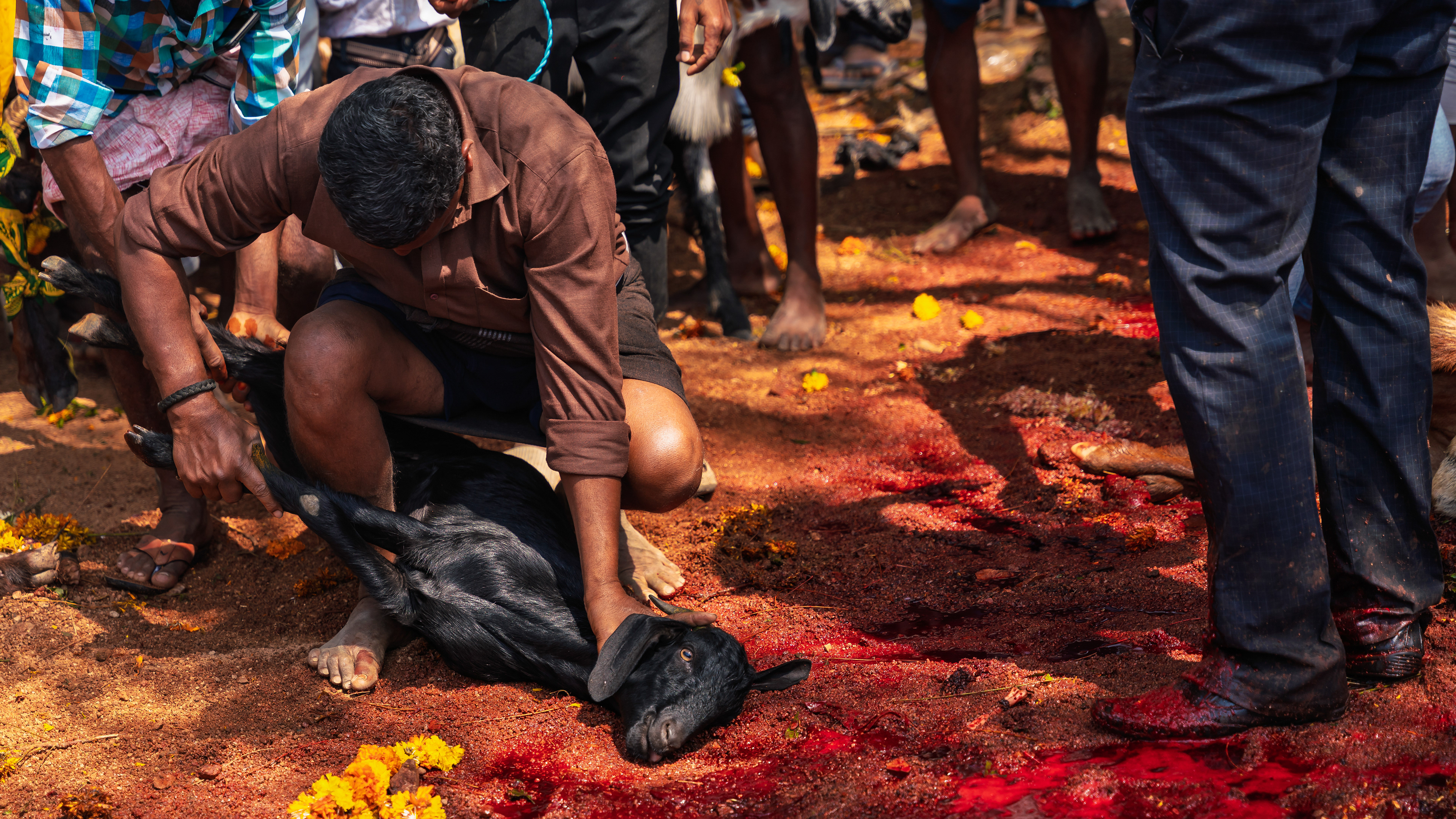
The butcher does Aayudha Pooja to his knife and applies kumkum and turmeric. Dreading to be bashed by the villagers if he crossed more than 10 strikes, he takes a deep breath before slashing the buffalo. 1… 2… 5… 10… the butcher successfully decapitates the buffalo. Poli, an offering, is made by mixing Jonna Buvva and the blood of both sacrificial animals. This Poli is considered holy and is believed to ward off evil and contain all the benefits of the ritual. Which is why, only village natives are allowed to stay in the ritual premises to make sure others are not reaping the ritualistic benefits.
The same process is repeated for 3 other goddesses - Maaremma, Karremma, Sunkulamma, around the village.
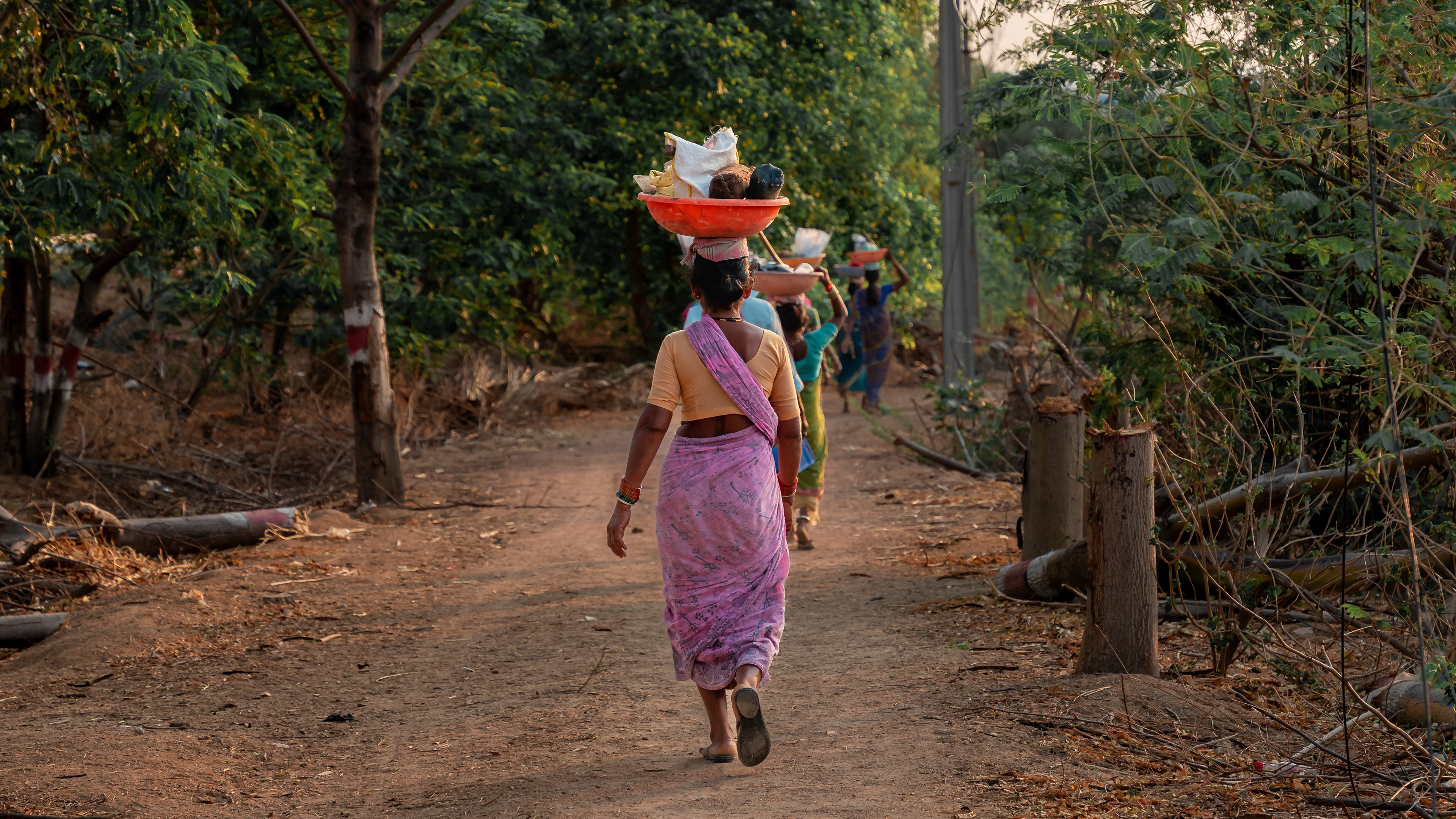
Now, the Poli, the Jonna Buvva from the village corners and from the perimeter that was kept by Boothu Pilli is mixed with the blood from all the sacrificial animals. This mixture is then moved to multiple baskets and are taken by a group of villagers to each and every house in the village. This mixture is spread around each and every door of the village. Once the spread is successfully finished, the villagers start cleansing their houses.
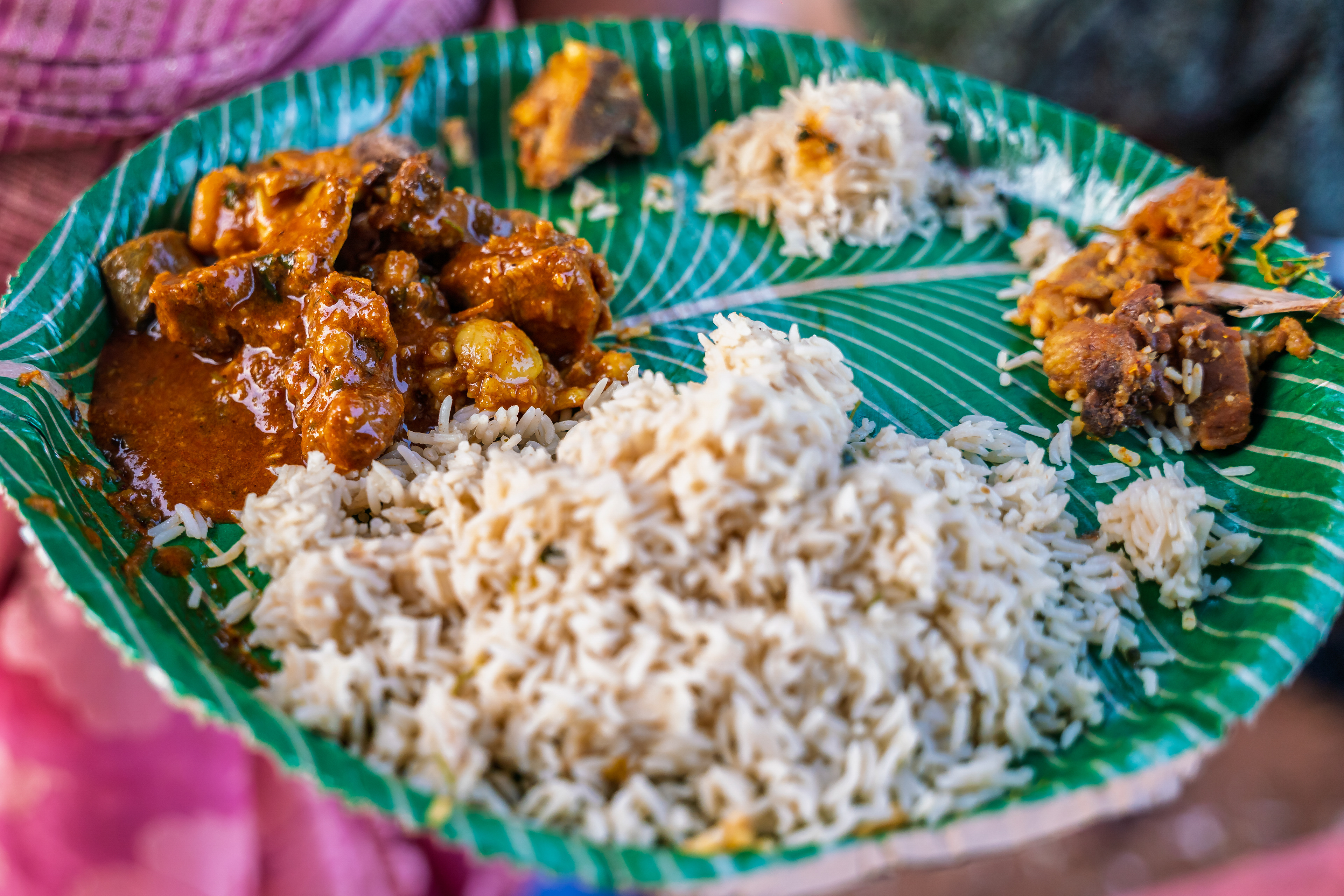
Festive mood begins in the morning, as villagers start their personal offerings by sacrificing the animals to their favourite goddess. These sacrifices are cooked as a feast for their families who now are in peace that comes from the belief that this ritual will ward off all the evils and keep them safe for next three decades, until the next Devara.